
Mens sana in corpore sano
I still carry the unwanted legacies of overwork from my final ten or twenty office years. It’s well known that men are particularly disposed, by social conditioning, to ignore their own physical and mental warnings of excessive stress.
In my office days, I learned, out of a misconceived perception of necessity, how to abandon food, drink and sleep in favour of complying with the externally imposed imperatives of achieving sales targets to monthly deadlines. I chose to remain in a job which demanded several days of intense work in different world time zones, often three times a year.
Sometimes I chose to work while I had influenza. Today, my constitution simply won’t stand for it! In fact, I believe my atrial fibrillation of 2019 might have had its origins in working through the ‘flu in the 1990s. I can also point to at least three episodes of serious disorientation due to dehydration in the last year alone.
It is, of course, always important to carry out our work tasks to the best of our ability and to ensure the best possible outcome from our endeavours.
But what is your honest appraisal when you come to examine what precisely it costs you to deploy your skills to their best abilities? How well do you estimate your energy reserves when external pressures can seem overwhelmingly to demand the maximum exertion, and often more?
While you might consciously decide to remove the brakes on your highest levels of effort, how much of that decision also involves awareness of your responsibility towards guarding yourself from harms which might occur a little further away from the present moments of exertion?
How do you converse with your conscience in matters of self-care? Does your internal conversation go along the lines of “the means justify the ends”? Do you say “I can do this”, even while the struggle to remain safe and stable is insistently tugging away at you?
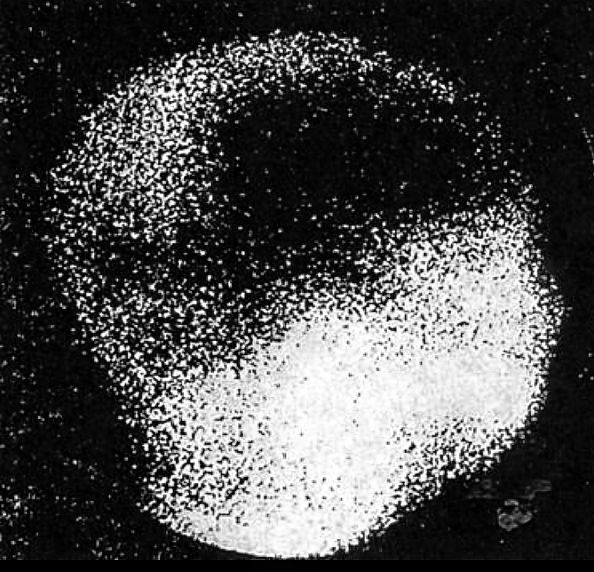
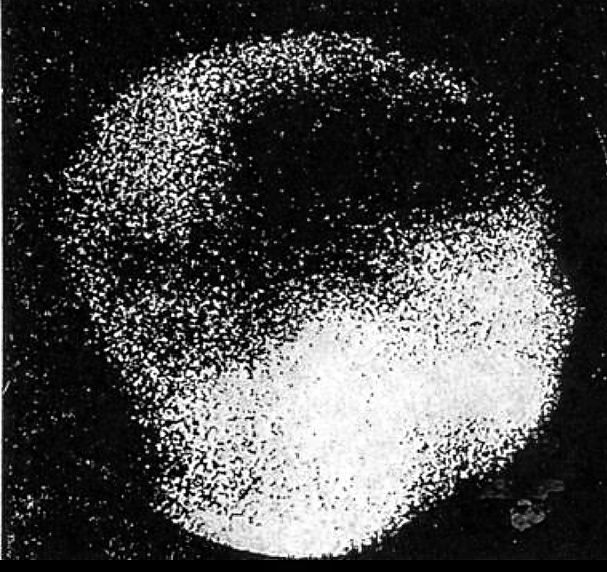
I was teaching adults English as a Foreign Language (TEFL) in the 1970s. Unlike many of my colleagues, I never learned how to slip into routine delivery of lessons from memory. I felt compelled to create every lesson from scratch. I over-prepared out of fear of under-delivering on my self-imposed standards of perfection. My classes were fun for all. But when burnout set in, I developed migraines. These continued day and night. My GP sent me for a nuclear medicine brain scintigraphy scan. No tumours found. But I carry a vivid image of my brain as an island universe of bright, star-like points!
I was on such strong painkillers that I chuckled to observe my writing on the whiteboard literally dancing before my eyes! My students knew nothing of these hallucinations. The day I decided to quit teaching for a 9-to-5 job was the day the migraines ceased!
The body knows best. Years of working to sell advertising contracts to fixed financial targets finished in 2001. Even today, 25 years later, my dreams of not meeting end-of-month targets come back with vivid realism.
Bad habits can have such negative effects on the well-regulation of our lives. In the same way, understanding coming from a fresh perspective can offer a new platform for us to construct a healthier, more productive and sustainable set of new habits. These replace the destructive erosion of the old ways, and let us get on with our lives more fully in line with and in tune with our abilities.


